Three Primary Reasons Kimberly Homeowners Replace Their Roof
Hail Damage
Hail damage is one of the most common reasons homeowners in Kimberly require full roof replacement. Even small hailstones can bruise asphalt shingles, dislodge protective granules, and weaken the structural integrity of the roofing material. The problem with hail damage is that it is not always immediately visible from the ground. A roof may look intact, yet the protective surface has been compromised.
Over time, bruised shingles crack, lose granules, and allow moisture to penetrate beneath the surface. This leads to slow leaks, rotting decking, mold growth, and insulation damage. If hail impact is widespread across the roof plane, replacement becomes more cost-effective than repeated patch repairs.
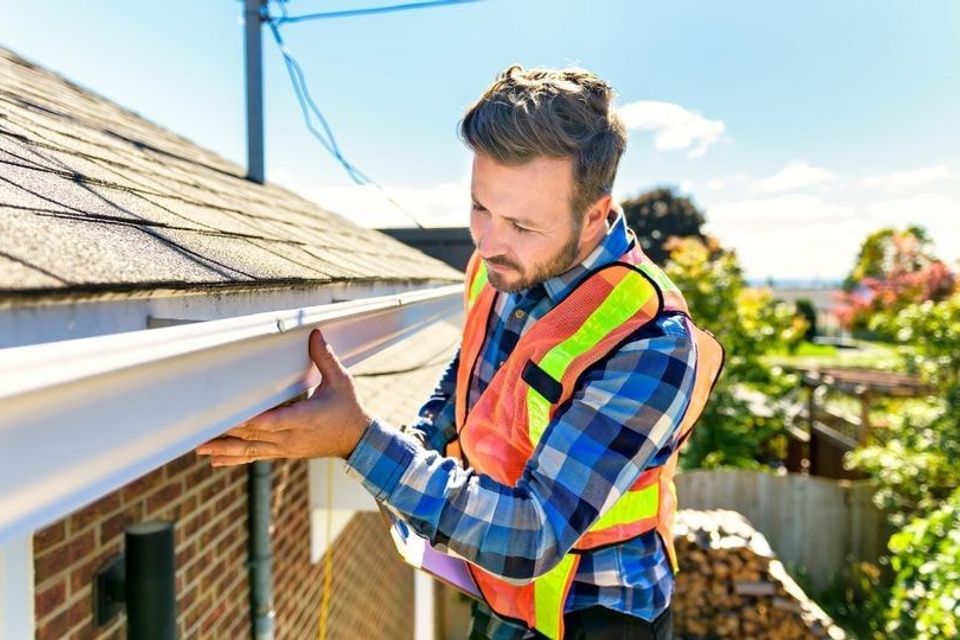
A professional inspection after any hailstorm is critical. Undetected hail damage can shorten the life of your roof by years. Wisconsin Exteriors performs detailed evaluations to determine whether hail damage warrants roof replacement in Kimberly WI.
Wind & Storm Damage
Kimberly homes are exposed to strong spring and summer storms capable of producing wind gusts exceeding 50–60 mph. Wind uplift can break the seal between shingles and the roof deck, allowing water intrusion even if shingles remain partially attached. Once seal strips fail, shingles become vulnerable to future storms.
Storm damage may also include:
- Missing ridge cap shingles
- Flashing separation
- Lifted shingles
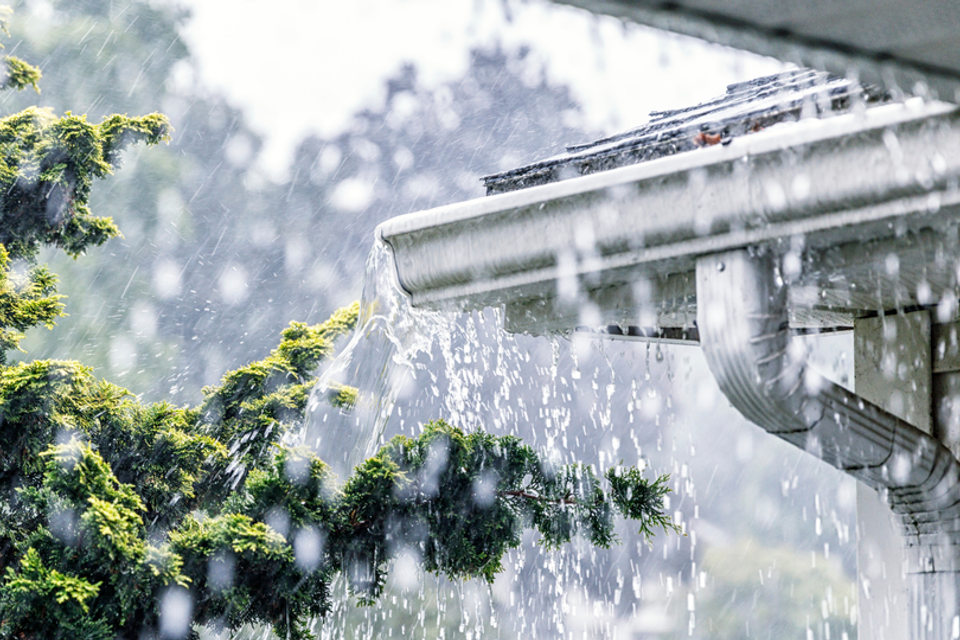
- Wind-driven rain penetration
- Structural decking stress
If multiple areas of the roof have compromised shingles or lifted sections, a full roof replacement may be necessary to restore complete weather protection. Storm damage weakens the entire roofing system—not just individual shingles.
Replacing the roof ensures the integrity of underlayment, flashing, ventilation, and water barriers.
Roof Age & Material Deterioration
Most asphalt shingle roofs in Wisconsin last approximately 20–25 years, depending on installation quality and maintenance. As roofs age, shingles become brittle, lose granules, and develop cracks. Freeze-thaw cycles accelerate this deterioration, particularly in northern climates like Kimberly.
An aging roof often shows signs such as:
- Curling edges
- Bald spots
- Frequent minor leaks
- Soft decking
- Dark streaking
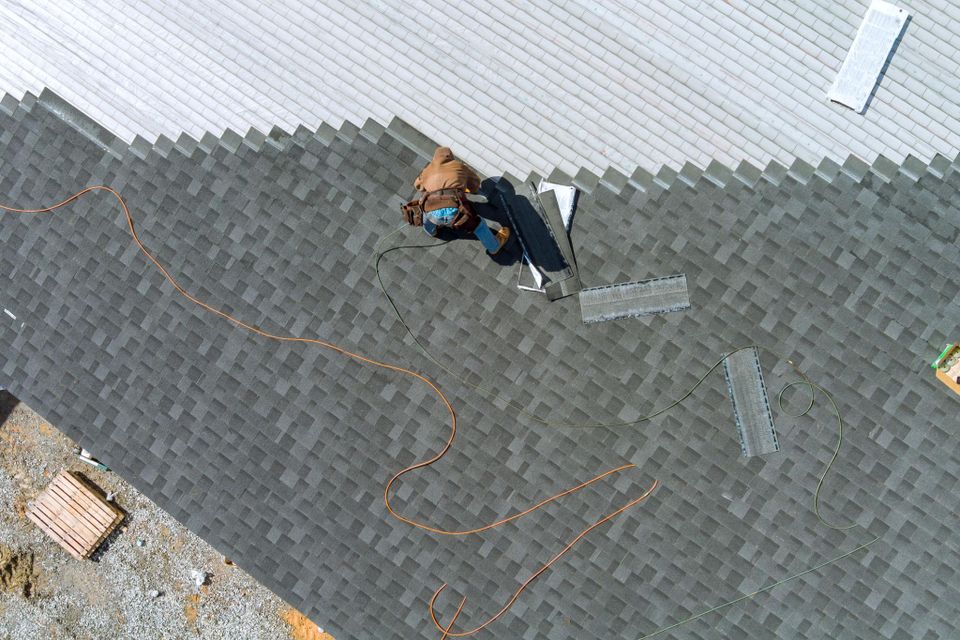
When a roof approaches the end of its life expectancy, repairs become temporary solutions. Investing in roof replacement provides long-term protection, improved ventilation, and increased home value.
Replacing an old roof before major structural damage occurs prevents costly repairs inside the home.